How to Avoid Bankruptcy

It’s Not Too Late! The best way to avoid bankruptcy is with good money management, setting a budget and simply not spending more than you earn. Of course, we realize you are probably reading this article because you are already at a point of desperation. Perhaps our title should be: How to Avoid Bankruptcy When Iām Already in Trouble? You Can Avoid Bankruptcy with Several Steps When you are delinquent on your accounts, it is usually due to negative cash flow. You are spending more than you are making. There are a few basic remedies: Make more money Reduce expenses Try a mix of both For those who are able, avoiding bankruptcy may entail getting a second job as well as reducing expenses. We know itās not easy. Reducing expenses can be difficult. Start by separating your wants from your needs. It is easy to point out vices like cigarettes, alcohol, and gambling. The harder part is when you need to cancel your cable or internet. Often you need to determine just how desperate your situation has become and decide whether something that once was a āneedā is now simply a āwant.ā Losing cable and internet services is one thing, but what about your second vehicle? It may be a great convenience, but when push comes to shove can you and your spouse survive with just one vehicle? Avoid Solutions that Dig Debt Deeper Sometimes people avoid bankruptcy by taking a loan against their 401k or IRA. This seems like a good solution at the time, but this quick fix rarely works and often places people in an even more desperate situation. The problem is simple math. You couldnāt make ends meet with your previous take home income. Even though the cash withdrawal provided immediate relief, the long-term effects are quite harmful. Once the withdrawal is made you need to pay back the loan which means that you get less money with each pay. This places you in a situation where you once again need to borrow against your retirement. It is a vicious circle that you want to avoid. Debt Settlement and Professional Debt Negotiation While there is no escaping the hard choices that come with reducing expenses and good money management, there is a fast and effective way to help you get out of debt without filing bankruptcy. This is debt negotiation, also called debt settlement. The goal is to get you out of debt in a few years while paying back about half of what you owe. This is accomplished by having a professional negotiator acting on your behalf who eliminates the harassing calls and sets up a payment plan significantly lower than your regular monthly payments. While your credit does take a hit at the beginning of the program, most people watch their credit rise back up by the end of the program to a point where they can get a house or a car at a decent interest rate. Learn more on our Debt Negotiation page. You can take charge of your financial future and get out of debt while avoiding bankruptcy. It just takes a little help from the legal professionals at Harold Shepley & Associates, LLC. Find out what options are available for you. Call us today at 877-827-9006, or complete our easy to use Contact form. Weāre ready to help.
So, You have Received a Collection Letter

Hearing from a Collection Agency Receiving a letter from a collection agency or attorney can be very intimidating. A collection letter may be written in a very friendly manner ā āWelcome to ABC Collections, we look forward to serving you and helping you determine which option works best for you to manage your debt.ā Collection notices can be very threatening ā āIf you do not pay the balance in full within thirty days, we will file a lawsuit to collect the debt from you.ā Whichever one you receive (and you may receive both types), the goal for the collector is the same: to get a payment from you. The placement of a debt with a collection agency or servicer means that your primary creditor has exhausted their in-house attempts to collect the debt. Before the collection agency became involved, those efforts usually started with multiple letters and phone calls. Once your creditor decides that their attempts will not yield payment, they either sell your account to a third-party collector, or hire a debt collector to make further attempts at collection. Collectors can be companies or attorneys. As collectors, they must all follow the Fair Debt Collection Practices Act (FDCPA) and the Pennsylvania Fair Credit Extension Uniformity Act (PFCEUA). These laws protect consumers from over burdensome debt collection actions, such as telephone calls after 9 pm, threats to take any action they cannot legally take to collect a debt, falsely identifying themselves as a government agent, or communication via postcard. It also forces any attorney or company to identify themselves as a debt collector either orally during a telephone call or in writing in any written communication. Can a Collection Letter Lead to a Lawsuit? Receiving a collection letter can be considered the first step in the collection process that could lead to a lawsuit being filed against you to collect the debt. A collection agency from whom you have received a letter will typically turn the file over to an attorney if they are unable to acquire a payment. The attorney may send their own collection letter in an attempt to get payment before filing a lawsuit. These letters must also comply with the FDCPA and PFCEUA regulations concerning debt collection. Once a lawsuit is filed against you to collect a debt, your options become limited as to how to deal with the debt. You can learn more by reading our article Served with a Lawsuit? If you receive a collection letter, please donāt ignore it. The problem will not go away! This letter may be the first sign that you are not able to manage your current debt. Many people receive a collection letter and call the collector to make payment arrangements that they cannot afford. If you are unable to pay the debt for any reason, you should consider debt negotiation or bankruptcy. Find out what options are available for you. Call us today at 877-827-9006, or complete our easy to use Contact form. Weāre ready to help.
Should a Christian File for Bankruptcy?

God and Debt. Is There a Christian Debt Solution? There is a belief “out there” that people in debt are bad, irresponsible, ignorant, stupid, or uncaring people. Many of those who hold this belief are the debtors themselves. Every day, we talk with people that are embarrassed and ashamed. They feel like they have let their families, their friends, and society down. They feel like they have failed, and that they will never recover. Unfortunately, these feelings often delay the help they truly need. These feelings of debt and of wondering if it is a sin to be in debt, keep them trapped in a reality that tortures them daily. It affects their relationships and can often cause marital distress leading to divorce. These fears, false evidence appearing to be real, cause unnecessary stress that can easily be remedied by seeking a solution. These false assumptions come from a variety of areas. The biggest hurdle people must overcome is that they are not the only person to ever be in debt. We tell our clients that at least half of their friends and family members have filed bankruptcy in the past. They just donāt know. In this social media world, everyone wants to share their triumphs and rarely their disappointments. At Harold Shepley & Associates, LLC, we are Pennsylvania Bankruptcy Lawyers with a Christian perspective. Learn more by visiting our Bankruptcy page. Debt Forgiveness has Biblical Roots There is also the thought that they have let God down and are somehow beyond redemption. If they only knew that bankruptcy had its roots within the Jewish heritage, then maybe they wouldnāt feel quite as bad. Back when Jesus walked the earth, the Jewish people celebrated the Festival of Jubilee every 7 years. All debts were forgiven between one person of Jewish faith and another person of Jewish faith. The idea is that God doesnāt want you to be held captive by debt or anything else. The fact is that we make bad decisions every day that affect our relationships with God and the people around us. God is willing to forgive these sins if we simply ask for forgiveness. You see, God is more interested in His relationship with you than any false front that you may portray. He has even offered the Festival of Jubilee in the past and now offers debt negotiation or bankruptcy in the present to deal with debt. The choice to escape debt is up to you. Isnāt it time that you stepped out of your problem and into a solution? Harold Shepley & Associates, LLC can help get your financial world back on track. Call us today at 877-827-9006 or schedule a FREE consultation online. Weāre here to help.
Credit Report Errors

How Your Credit Report Affects Your Life Your credit report has so much more to do with your life now than it used to. For good or bad, your credit score can influence the rates of loans you are offered, security clearances, job applications, and even the cost of car insurance. It’s more important than ever to keep an eye on your credit report for: Inaccurate information Obsolete information Outdated information Unverifiable information According to the FACT ACT you are entitled to a free credit report once every 12 months. You can order your report via phone, mail, or online by simply going to Annual Credit Report.com. Fixing Credit Report Errors Once you receive your credit report, look it over carefully for mistakes and file a dispute if you find incorrect information. The agencies will provide the information you need to file a dispute based on how you got your report. You can dispute it online, or if you ordered it via mail or phone, they will send a dispute form along with your credit report. You can also hire a professional company to do it for you; just be sure any firm you hire adheres to Credit Repair Organization Act before you start any kind of credit restoration. Remember – credit agencies are private companies and not government entities as many presume. The agencies make their money buying and selling your information. The information they get is provided to them via: Creditors Loans you have obtained Public records Credit applications you have filled out There have been numerous news articles about the high percentage of Americans that have legitimate errors on their reports, and those numbers are alarming. It would be most wise to take the time to order your report – or at least sign up for one of the several free monitoring services that are available online, like Credit Karma. Monitoring your credit report, keeping it accurate, and working to build a good credit score can help you succeed in life. Start by getting your credit report and follow up if you see any problems. Do it today! Why Choose Harold Shepley and Associates, LLC? At Harold Shepley and Associates, LLC, we have the experience to deal with debt situations of all kinds. We are a full service Law Firm that is client-oriented and will work hard to meet your personal financial needs. Call us today at 877-827-9006, or complete our easy to use contact form. We’re ready to help.
The Envelope System

Handling Household Expenses without Credit Cards Want to reduce your credit card debt? Try the Envelope System. Credit cards are easy to use, too easy! You swipe them, sign them, and forget them! Then you try to put those charges out of your mind until the credit card statement comes. When you open that bill and look at the interest, you realize you’ll be paying that purchase off for years, if not for decades! One of the oldest, most time-honored ways of reducing credit card debt is called the Envelope System or Envelope Method. It’s simply a hands-on system that keeps you accountable for what you spend. As the name implies, you assign an envelope to each item in your family’s budget. On the outside of the envelope, put the budget item name, the amount that you owe, and the due date. When you get paid, put the money in the envelope. When the bill comes due for that item, pull the money out of the envelope and pay it. An Example of the Envelope Method How it works: You get paid twice a month and have a budget of $500/month for groceries. On your envelope, write “Groceries – $250.” From your first pay, you would put $250 in the envelope. The money in this envelope goes for groceries only. When you go to the grocery store, take the envelope with you. You spend no more than the money inside of the envelope. If there is more than $250 worth of groceries in your cart, things will have to go back. To stay in budget, you can purchase items on sale or off brand products. You will get to spend another $250 on groceries after your next pay. Use the Envelope System for “everything” in your budget, such as: groceries, phone, restaurants, entertainment, gas, clothing, insurance, taxes, etc. When your money runs out, there is no more money to spend until the next month. Don’t cheat and borrow from other envelopes. If you have money left over in an envelope, put it in an emergency fund envelope for a “rainy day.” If you find that your monthly income is not enough to cover all of the envelopes, you will need to cut back on things. Spending more money than you make is the surest way to find yourself deeper and deeper in debt. Until you can increase your income, you may need to be very careful about your purchases, even look for lower cost housing and transportation if necessary. Credit cards are a great convenience, but they also create a situation where it is far too easy to spend money that you do not have. The Envelope System brings you back to reality, where you budget realistically for the things you need and save for the things you want. Why Choose Harold Shepley and Associates, LLC? At Harold Shepley and Associates, LLC, we have the experience to deal with debt situations of all kinds. We are a full service Law Firm that is client-oriented and will work hard to meet your personal financial needs. Call us today at 877-827-9006, or complete our easy to use contact form. We’re ready to help.
Top 10 ways to Budget for Holiday Spending

Smart Ways to Budget for Christmas The holidays are almost here! You’ve been busy all year, and now your pre-holiday panic is starting to set in. It’s time to buy gifts, plan parties, and even travel back home to be with family. What will it all cost? A happy holiday season starts with a smart budget and using a creative mindset to avoid being caught in credit card debt that will last for years. Here are a few great Holiday Spending tips: 1. Determine what you can afford to spend. Look over your finances, and determine how much you can afford to spend on gifts and other expenses this holiday season. Set this figure as your overall holiday spending limit. 2. Set a spending limit for each area of your holiday budget. Run through your list of holiday expenses (gifts, decorations, holiday food, etc.) Set a budget for each area of spending. 3. Track your spending throughout the season. Keep a running total of your purchases on a worksheet. Don’t panic if you overspend in a category, just scale back your spending in another category to make up for it. 4. Make a list whenever you go Christmas shopping. Make a list and check it twice. Don’t leave home without it. 5. Use coupons and discounts, but only for the things you need. Coupons are a great way to save money but only for the things on your list. You are not saving money when you buy things not on your list – even with coupons. 6. Don’t forget homemade gifts. Most people will not only understand your efforts to avoid debt, they will admire your efforts. Believe it – they would rather have your great home-baked brownies over $20.00 worth of fancy soaps. You’ll find over 1,000 handmade gift ideas on Pinterest alone! 7. Make a list of every person you will be buying for. Get a box of envelopes. Create an envelope for everyone on your list, with a name and dollar amount on the envelope and the cash inside. This is a great way to keep your Christmas spending under control. 8. If you can’t afford to pay cash, DON’T BUY IT! There is no reason you need to go into debt to provide a gift for someone, no matter how much you love them. Credit card debt is frightening, because the interest compounds monthly. That means that if you make the minimum payments, it could take 30+ years to pay off your Christmas purchases! 9. Set up a Christmas savings club. Talk to your bank or employer about starting a Christmas Savings Club. Putting in as little as five dollars a week adds up quickly when buying for the holidays. You’ll feel so much better paying with cash you saved than a credit card that will haunt you for years! Be smart, stick to your budget and avoid credit card debt. One of the best presents you can give yourself this Christmas is to arrive in the New Year DEBT FREE! Why Choose Harold Shepley and Associates, LLC?
Are You Dependent on Credit Cards?

How do you know if you have developed an unhealthy dependency on your credit cards? Do you find yourself… Saying things will get better next month. Catching up on your bills with your bonus from work. Using your tax return to pay off bills. Day dreaming that your credit cards will be paid off someday. In our electronic age, credit cards can be a great convenience. They allow you to shop and even purchase big ticket items without carrying around a money-belt full of cash. Credit cards allow you to buy online and receive your purchase at your doorstep within days. Credit cards, however, are not a good way to finance your lifestyle. Do you find yourself using your credit cards every month to buy basic necessities like groceries and gas or to pay your utilities? Do you see your minimum payments increase because you cannot stop using your credit cards? Are you continually searching for cards with 0% interest so that you can do a balance transfer with a lower monthly payment, only to do another balance transfer six months later? Are you caught in one of these vicious cycles? Credit Card Debt Leads to Bad Credit If you are reading this saying “Yes, this is me!,” then it’s time to get help. Credit card debt can quickly become overwhelming, piling up out-of-control, leading to a bad credit score and damaging your financial future. Harold Shepley and Associates can Help Harold Shepley & Associates, LLC can provide you with the financial freedom you are looking for. With our Debt Negotiation Program, we can settle your credit card debt while providing you with an affordable monthly payment. Imagine being able to buy groceries and gas without having to use your credit cards!
How to Find a Good Debt Relief Attorney

How to Find a Good Debt Relief Attorney Finding a good debt relief attorney is the most important step you can take in achieving freedom from overwhelming debt. Focus your efforts on finding a lawyer who deals with your specific issue and one that will be there for you, helping you through the whole process from start to finish. Communication is also very important when looking for an attorney. You want to find one that returns your calls. Pay particular attention to the chemistry between you and the lawyer you are considering. If you feel uncomfortable with that person during your first few meetings, you may never achieve an ideal lawyer-client relationship. Trust your instincts. What Type of Attorney do I Need? You want to find a debt attorney who has specialized expertise in this area and experience with bankruptcy. It is also a good idea to find an attorney familiar with the courts and laws of the area in which you live. This will enable the attorney to represent your best interests. Contact the Bar Association Your state bar association keeps public records about complaints and disciplinary actions taken against attorneys licensed to practice in the state. You can visit the Lawyer Referral Directory of the American Bar Association to being your search for an experienced debt attorney in your state. Also review online directories of attorneys that offer free reviews, including but not limited to AVVO.com and LawyerRatingz.com. Get Recommendations from your Family, Friends & Employer Talk to friends, family members, and people in your community who have used an attorney. Find out who they hired and what type of service they offer, and if they were happy with the services provided. Another resource is your employer. Ask if your employer offers discounted legal services through either a specialized program or an EAP (Employer Assistance Program). For example, if your EAP offers a free 30-minute legal consultation, you can use that time to figure out if bankruptcy or debt negotiation makes sense for your situation. Make a list of potential attorneys that practice in or around your location. This will help you eliminate some attorneys and choose others that might be right for you. Review Each Attorney’s Website You will want to check for specific information on the practice areas of the attorney. Also look for background information such as his or her law school. Review each attorney’s website for general information about the type of legal issue you may need help with, including frequently asked questions or blogs with articles pertaining to your debt or legal issue. The best attorneys will maintain well developed websites offering informative content. Most attorney’s websites will provide information about each attorney working for the firm, including their educational background and work history. Typically, you should look for an attorney with at least 3 to 5 years of experience practicing the type of law with which you need help. Many attorneys may also use social media such as Twitter, LinkedIn, or Facebook. Check out these profiles as well. How an attorney conveys himself/herself to the public may help you get a sense of how well you would be able to work with them, as well as how comfortable you would be having the attorney assist you professionally with your needs. Harold Shepley and Associates can Help At Harold Shepley and Associates, LLC, we have experience dealing with personal debt. We are a full service law firm that is client-oriented and will work hard to meet your needs from debt negotiation to bankruptcy. Call us today at 877-827-9006, or complete our easy to use contact form. We’re ready to help!
Successful Savers & Investors

Successful Savers & Investors Saving money and investing takes time and persistence. You need to be in control of your personal debt and living within your means. It’s not easy, and you may feel overwhelmed. To have money in your budget each month for savings and investment goals takes an ongoing financial commitment. How do I make a Financial Commitment Stick? You need to set aside today’s money for your future goals. Successful savers think ahead. They don’t just live for today, but they plan for tomorrow. They put their income toward saving and investing goals that are important to them. Savings goals include: Major purchases, including car and home Your children’s education Retirement savings Emergency expenses Stick to your Savings Goals A key to successful saving and investing is being consistent. Stick to savings and investing month after month and year after year. Make saving a staple in your monthly budget and know that it is an essential part of meeting your future financial goals. Plan for Financial Emergencies Successful savers and investors know that financial emergencies happen. Your car may need repaired, the water heater may break, or an unexpected health crisis may occur. You need to set money aside so that you are not in a bind when unforeseen circumstances happen. A good rule to follow is to have three to six months of living expenses saved in an emergency fund. Having a few thousand dollars tucked away in a savings account can make a big difference if a large financial expense would occur. Pay Yourself First Before anything else, make sure money from your paycheck gets put aside for saving and investing. A good starting point is 10%. Depending on your income and other financial commitments some savers and investors are able to save 25% or more of their income. Get into a habit of saving first. Whenever your paycheck is cashed or deposited, move a chunk to a savings account and stick to it month after month. Also consider saving for retirement by joining an employer’s 401K plan and having pre-tax money set aside. Opening an individual retirement account is another good saving and investing option. Live Below your Means If you spend every penny you earn, you will not have the money to set aside for future goals or emergency situations. To be a successful saver, you must spend less than you earn on a consistent basis. The secret to living below your means is buying what you need and not what you want to have. In today’s society we often fall victim to the impulse buying influences in our lives. Retailers want you to believe that we cannot be happy without more stuff! To live below your means is to create a lifestyle you can pay for and have money left over. If you are spending more than you make, you will accumulate debt, making it more difficult to save. You also run the risk of damaging your credit if you overextend yourself on purchases and fall behind on your payments. Borrowing too much money can jeopardize what you could be putting aside for savings and future goals. Harold Shepley and Associates can Help At Harold Shepley and Associates, LLC, we have experience dealing with personal debt. We are a full service law firm that is client-oriented and will work hard to meet your needs from debt negotiation to bankruptcy. Call us today at 877-827-9006, or complete our easy to use contact form. We’re ready to help!
Debt Negotiation

Can I Keep My Home and Car? You were thrilled when you were able to negotiate and settle one of your credit When faced with mounting debt and life changing events like Bankruptcy, it is only natural to feel overwhelmed. What if you lose your car? Will they take away your home? The Debt Negotiation Program at Harold Shepley & Associates, LLC is specifically designed to not only keep you out of Bankruptcy, but also provide you with the peace-of-mind of being able to keep your home and your car. Debt Negotiation will settle your unsecured debt at 60% or less of the balance that you owe; therefore, allowing you to continue to make your monthly mortgage and car payments. How Will Debt Negotiation Benefit Me? Debt Negotiation will allow you to avoid filing for Bankruptcy. Our staff will stop the harassing creditor calls. We will provide you with ONE low monthly payment. You will become debt free in about 3 years. When you first call Harold Shepley & Associates, LLC, you will speak with a certified debt counselor.Our debt counselors will discuss your financial situation with you and come up with a payment plan that is affordable for you. The monthly payment for the Debt Negotiation program is usually significantly less than what you are paying your creditors now. We understand that this can be a very scary step to take and that is why we are with you every step of the way. The staff at Harold Shepley & Associates, LLC will answer all your questions and address all of your concerns. What You Have To Look Forward To After Debt Negotiation After working with us to successfully implement your debt management program, you will become: Financially free of all unsecured debt Living on a cash only basis Having a budget in place to remain debt free If your financial burdens are weighing you down and affecting your life, it is time for you to call Harold Shepley & Associates, LLC for your free consultation. Isn’t it time that you stepped out of your problem and into a solution? You have nothing to lose but your debt! Harold Shepley and Associates can Help At Harold Shepley and Associates, LLC, we have experience dealing with situations of both Debt Negotiation and Bankruptcy. We are a full service law firm that is client-oriented and will work hard to meet your personal needs in resolving debt. Call us today at 877-827-9006, or complete our easy to use contact form. We’re ready to help!
1099-C – Cancellation of Debt Notice

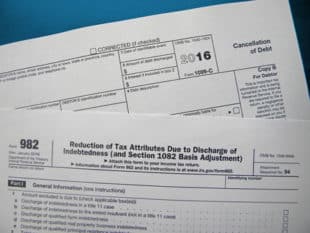
1099-C Cancellation of Debt Notice You were thrilled when you were able to negotiate and settle one of your credit card accounts for much less than the full balance. Your debt relief efforts were showing results! Unfortunately, that thrill turned to anxiety and indignation when you received a 1099-C Cancellation of Debt notice from your creditor during the next tax season. To the government, your forgiven debt is now taxable income! The IRS automatically views any amount of forgiven debt as taxable income, but there’s no immediate reason to panic. If you are able to show that you qualify for an exemption or an exclusion, as many do who are in your situation, you can often avoid paying taxes on this imputed income. It’s probably natural to feel that a 1099-C is somehow punitive. After all, if you couldn’t afford to pay the debt that triggered the form, how are you supposed to afford to pay taxes on the “income” the form represents? The 1099-C exists because many unscrupulous people over the years have found ways to use debt forgiveness to avoid paying taxes. Also, there is the general idea that if you don’t have to pay something that you legitimately owed, then you are receiving a financial benefit that should be taxable. Unfortunately, when the cancellation involves consumer debt, it invariably involves a balance significantly inflated by fees and interest charges, so the real financial benefit of the cancellation can be called into question. You might also question the motives of the creditor who issued the 1099-C, but this isn’t just a nasty, backhanded way for them to penalize you for settling the debt, and it’s also not something that can be negotiated away as part of the settlement process. In fact, the IRS has a list of circumstances that, when they occur, require the creditor to issue a 1099-C, and you may receive one in a variety of situations that do not directly involve settling a debt. How to Handle Your 1099-C and Taxable Debt No matter what, you can’t just ignore your 1099-C and hope nothing happens. First you need to examine it to make sure the information actually applies to you and, if so, that it’s accurate. It’s entirely possible that the creditor has made one or more mistakes that will need to be corrected. It is also possible that the 1099-C you receive will be dated for an event that happened in a prior year, or for the current year but after you have already filed your tax returns. In every instance you need to make sure to give your tax preparer a copy of the form. You should also confirm that they are familiar with cancellation of debt issues. While it depends on the specifics of each situation, seeking the exemption will often involve filing IRS Form 982 and completing the appropriate worksheets. If your particular tax preparer isn’t familiar with this process you should be able to find someone who is – millions of 1099-C’s have been issued in recent years and the need to deal with them has become much more common as a result. Finally, if you are someone who tries to save money by preparing your own taxes and you encounter an issue with a 1099-C, it’s important to realize that the details of this area can be somewhat complex and difficult to understand. It’s always better to seek professional help rather than deal with the potential consequences of mishandling your filing. Harold Shepley and Associates can Help At Harold Shepley and Associates, LLC, we have experience dealing with situations of personal and household debt every day. We are a full service law firm that is client-oriented and will work hard to meet your personal needs in resolving debt. Call us today at 877-827-9006, or complete our easy to use contact form. We’re ready to help. There is no reason financial stress should ruin your life. Talk to our debt relief specialists, the consultation is free. Call us today at 877-827-9006 or use our easy-to-complete contact form. Our attorneys will be delighted to speak with you.
Creating a Monthly Budget

A Monthly Budget Worksheet can Help When it comes to getting your personal debt under control, a good place to begin is with the basics of a household or personal budget. Creating a monthly budget helps you identify where you may be overspending and can also help you in developing an overall financial plan. Building a budget should start with a review of your check book register and bank statements. Look for the recurring expenses that happen every month or every quarter. Things like rent, utilities, and transportation are only a part of your ongoing expenses. You may be surprised at how the daily trips to the convenience store or eating out for lunch can really add up. Once you know what you are actually spending, you will be able to set up a monthly budget template as a guide to follow in keeping your expenses under control. You may find that once you have a budget in place and more awareness of your spending habits, you will make some changes to your behavior that assure you will have more money left at the end of the month. For your convenience we have attached a link to a budget worksheet that you can print for your personal use. At Harold Shepley & Associates, LLC, we are full service debt relief law firm, and we’re here to help. Call us today at 877-827-9006, or visit our Contact page for your FREE consultation. Monthly Budgeting Tips When budgeting for utilities you may find it is easier to set up a monthly budget based on the yearly expense. Some utility companies will set you up on a budget plan that will average your yearly expense and set a monthly payment that remains the same throughout the year. Remember, when setting up a monthly budget to include expenses such as Christmas, birthdays, holiday spending, and vehicle expenses. It is important to set aside money each month so when the time comes you will have the money to buy gifts or buy tires for your vehicle. Building an emergency fund should be a priority over expenses such as dining out or entertainment. Having an emergency fund can be the difference between falling behind on your mortgage and paying for groceries if you were to have an accident or medical issue that would prevent you from working for a short period of time. You may find it helpful to have a separate savings account to deposit the money into and one that is not connected to your debit card and easily accessible. After you have a budget in place and an emergency fund set up, it is time to think about saving for retirement and children’s college funds. The earlier you start, the more you will be able to save. If you receive a tax refund or a yearly bonus at work, you can deposit it into either fund to help offset the monthly expense of your savings effort. Harold Shepley and Associates Can Help If you’ve fallen behind on your payments and your efforts to create a monthly budget simply serve to highlight the difficulties of your situation, it may be time to get professional help. At Harold Shepley and Associates, LLC, we have experience dealing with situations of personal and household every day. We are a full service law firm that is client-oriented and will work hard to meet your personal needs in resolving debt. Call us today at 877-827-9006, or complete our easy to use contact form. We’re ready to help.
Does Debt Consolidation Work?

Be Careful – You Cannot Borrow Your Way Out of Debt! If you’re reading this, it’s likely you’ve been researching ways to get out of debt, or to improve your financial situation with regard to debt. In this article, we’ll consider how debt consolidation works. To begin, let’s start with the basics, like the difference between debt consolidation and debt negotiation. Debt Consolidation refers to the act of grouping all your outstanding debts into one single debt, making payments more manageable as you work to reduce and eliminate what you owe. Debt Negotiation is when an attorney steps in to negotiate with your creditors and reduce your total debt load. To learn more, visit our Debt Negotiation page. Debt Consolidation Loans Debt consolidation loans are one of the most common solutions people think of when they fall victim to financial hardship. Unfortunately, people who choose debt consolidation often find themselves with a larger debt and in deeper financial trouble than they were before the loan. The reason this happens is that you can NOT borrow your way out of debt. A debt consolidation loan will not reduce the amount you owe. You will pay on the entire principal and will be paying far more interest over a longer period of time. Unfortunately, when you try to consolidate debt, it is often nothing more than a very expensive way to cover up an underlying problem. At Harold Shepley & Associates, we focus on solving your debt problems, not merely covering them up or allowing you to fall victim to so-called solutions that only worsen your situation. To learn more call us at 877-827-9006, or complete our easy to use contact form. We’re ready to help. Home Equity Loans and Debt Consolidation When taking out a debt consolidation loan, you will most often be required to secure the loan against some form of asset, usually your home. This is called a home equity loan or home equity line of credit (also known as HELOC). You may be thinking: How do I qualify for a home equity loan to consolidate my debt? To qualify for these types of loans you must have a home and you must still have equity in your home. In other words, the value of the home must be worth more than what you owe. Assuming you manage to get a home equity loan, you have now put your unsecured debt into a secured loan. That means you have put your personal assets at risk. If you run into further difficulty paying on the new loan, you run the risk of a foreclosure on your home. Personal Secured and Unsecured Debt Consolidation Next, we’ll review unsecured consolidation verses secured consolidation loans. When you put something up that you own (such as a car, property, home, computer, TV etc.), your turn your debt consolidation into a secured loan. This is to provide collateral if you fail to make payment to the loan company. If you take out an unsecured loan, you do not put up any collateral on the loan. However, this type of loan has a higher interest rate and often comes with hefty penalties if you do not pay on time. With both types of consolidation loans, you run risks. There is the risk of losing your collateral if you are unable to pay on the new loan and the risk of going even deeper into debt if your loan is unsecured. Credit Card Balance Transfer Another way people consolidate debt is through credit card balance transfers. If you are struggling to pay credit card debt and other bank loans, credit card companies try to attract new customers by offering zero or a low-percent interest on balance transfers. Ideally, you want to transfer balances from credit cards with high interest rates into a card with one these offers. Transferring balances can help short term, as long as you carefully keep track of the promotions and the end date when the interest rate will substantially jump. The promotions are to entice you to sign up with the hopes that you forget that the low interest offer only lasts for so long. After the introductory period is over, the rate will increase and so will all the debt that was transferred. Dealing with Debt Successfully When choosing to consolidate debt, you are simply shuffling the debt around so that it becomes easier to pay.While this has some limited value, most of the time you are not fixing the problem. Typically what happens is this: once you consolidate the debt, you discover you now have more spending power. You have credit cards with space to charge and once again you find yourself running your credit cards up to the max. Now you have both a consolidation loan and more credit card debt to pay. If you were having trouble paying your previous debt, how are you going to repay the combination of your new loan and your newly maxed out credit cards? Harold Shepley and Associates can Help You aren’t alone. If you are having trouble paying bills and considering a debt consolidation loan, call us today at 877-827-9006, or complete our easy to use contact form. We’re ready to help. At Harold Shepley & Associations, our experienced attorneys will assist you with real debt relief options, without putting your home and property at risk. We’ll get you out of debt once and for all. We not only eliminate the interest rate, we reduce the actual balance owed to the creditor and arrange for an affordable payment plan. We can do this for clients located anywhere in the United States. So what are you waiting for? Call us today at 877-827-9006.
Chapter 13 Bankruptcy

Don’t Qualify for Chapter 7 Bankruptcy? Consider Chapter 13 Chapter 13 bankruptcy is a payment plan that allows you to pay back some, but not necessarily all, of your debt. Chapter 13 is often a good solution for people who do not qualify for Chapter 7 because their incomes are too high (i.e., above the annual median income for a household of the same size). However, Chapter 13 is not limited to high-income earners. If you are behind on payments to a secured creditor, such as a mortgage lender or car loan provider, Chapter 13 may allow you to keep your car or home. How does Chapter 13 Bankruptcy work? If you can afford to make your current payments and pay any accumulated back payments over a 36 to 60 month period, you can keep your house or car. As the debtor, you must first submit a repayment plan for Court approval. The repayment plan does not discharge your unsecured debt immediately, but allows you to develop a plan to repay secured debt and possibly some or all of your unsecured debt. The repayment plan depends on your income and debt during the 36 to 60 month period. The plan is based on your income and how much disposable income you have remaining each month after paying all essential household bills. An individual, husband and wife, or a self employed business owner with regular income may file a Chapter 13 bankruptcy in Pennsylvania provided your debt amounts to less than $394,725 of unsecured debts and $1,184,200 in secured debts. Interested in learning more? Contact Harold Shepley and Associates today by calling 877-827-9006, or visit our Contact Us page. Under Chapter 13, you have the Opportunity to: Reorganize your situation, possibly reducing certain secured debt, Reducing or eliminating unsecured debt, Surrendering certain assets, Rejecting or assuming certain leases, Removing judicial liens, Requiring utility companies to restore service, Stopping wage garnishments including the IRS, Reducing certain taxes, Stopping certain law suits, and Stopping foreclosures and sheriff sales Another advantage of Chapter 13 is the possibility to modify or totally eliminate wholly unsecured second and third mortgages on your principal residence. You can also attempt to lower the principal balance of a first, second or third mortgage or modify the terms for real estate that is not your principal residence. Also, in certain situations you may be able to reduce the principal balance of your car debt, as well as the monthly payments. Discharge Your Debt, a Fresh Start with Creditors Once you have completed payments under the Chapter 13 plan, the Court will enter a discharge order which will allow you a fresh start with future creditors. This eliminates dischargeable debts, requiring creditors to remove the debts from your credit report, discontinue pending law suits, and dispose of debts as ongoing obligations. Debts NOT dischargeable under Chapter 13 include: All domestic support obligations, Educational loans (except for undue hardship, injury or death caused by a debtor’s operation of a vehicle), Vessel or aircraft if debtor was intoxicated or impaired from use of alcohol, drugs or other substance, Certain criminal fines and restitution, Certain taxes, Debts incurred by fraud, Restitution or damages awarded in a civil action as a result of willful or malicious injury that caused personal injury or death of an individual. Harold Shepley and Associates can Help You aren’t alone. If you need help understanding Chapter 13 Bankruptcy in Pennsylvania, contact Harold Shepley and Associates, LLC. We have experience dealing with these situations every day. We are a full service law firm that is client-oriented and will work hard to meet your personal needs in resolving debt. Call us today at 877-827-9006, or complete our easy to use contact form. We’re ready to help.